


Faculty
2026 GMFH Summit
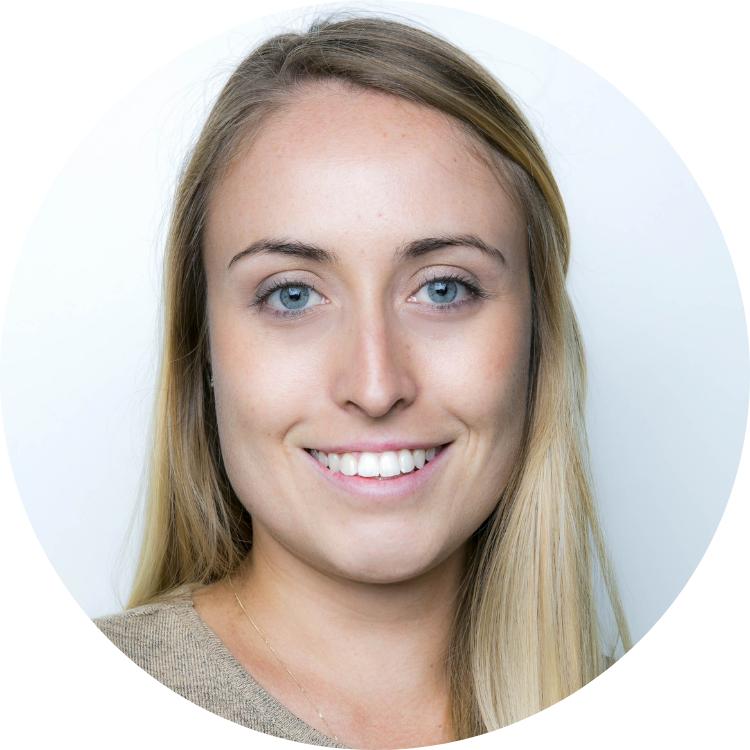
Heather Armstrong (Canada)
Dr. Armstrong is a tenured Associate Professor in the Division of Gastroenterology, Department of Medicine, at the University of Alberta in Canada. She has received numerous national and international awards for her work, receiving >$25M in research funding (31 grants) and published >20 manuscripts in her first 3 years as a professor. This funding supports her team’s work to uncover how changes in the gut microbiota can impact the way the body responds to different environmental and dietary factors, and the positive and negative impacts that result from infancy to adulthood in disease settings such as inflammatory bowel diseases, multiple sclerosis, liver diseases, and cancer. She is a committee member with several national associations, including CIDsCaNN and CAG, along with international groups including WINGS and GYA.

Francesco Asnicar (Italy)
Dr. Francesco Asnicar is a tenure-track researcher at the Department CIBIO at the University of Trento, Italy. He received his PhD in Computer Science and has a strong background in computational biology, focusing on developing novel methods for analyzing microbial communities. His research investigates the intricate interplay between diet and the human gut microbiome. Dr. Asnicar’s expertise lies in computational phylogenetics, statistical analysis, and machine learning, which he leverages to explore the complex relationships between dietary patterns and metabolic responses mediated by the gut microbiome.

Giovanni Barbara (Italy)
Giovanni Barbara is Full Professor of Gastroenterology at the University of Bologna, Italy. He is currently Chair of Gastroenterology and vice Chair of the Department of Medical and Surgical Sciences at the same University. He graduated summa cum laude in medicine at the University of Bologna. He subsequently qualified in internal medicine and then gastroenterology at the same University. He was trained partly in London, UK and completed a post-doctoral research fellowship in neuro-immunology at McMaster University, Canada. Currently, he coordinates a large group of physicians, and scientists involved in the fields of clinical gastroenterology, advanced endoscopy, teaching and clinical as well as translational research.
Professor Barbara’s main research interests relate to basic and clinical aspects of disorders of gut-brain interaction and neurogastroenterology, and he has authored indexed peer-reviewed articles and reviews on these topics, published in various biomedical journals, including Gastroenterology, Gut, the Journal of Clinical Investigation and Trends in Pharmacological Sciences, Nature. He is, or has been, a member of the Editorial Boards of Gastroenterology, Gut, the American Journal of Gastroenterology, Neurogastroenterology and Motility, the American Journal of Physiology and other international scientific journals.
Professor Barbara has received national and international awards including those from the American Gastroenterological Association, the Functional Brain Gut Research Group, the European Society of Neurogastroenterology and Motility and the Master Award in Gastroenterology from the American Gastroenterological Association.
He is currently member of the Board of Directors of the Rome Foundation, Past-President of the European Society of Neurogastroenterology and Motility (ESNM) and currently Chair of the Gut Microbiota and Health Section of ESNM.

Simon Mark Dahl Baunwall (Denmark)
Dr. Simon Mark Dahl Baunwall serves as a medical doctor and Clinical Researcher in Gastroenterology and Hepatology at Aarhus University Hospital and Aarhus University, Denmark. His scientific work focuses on microbiota-based therapeutic strategies, with particular emphasis on faecal microbiota transplantation (FMT) and the clinical management of Clostridioides difficile infection and related gastrointestinal disorders. Dr. Baunwall has authored numerous peer-reviewed publications and leads clinical studies that investigate innovative approaches to improve digestive health with microbiome-based therapies in particular. In recognition of his scientific contributions, he has received several distinctions, including the Lundbeck Foundation Talent Prize.

Nicolas Benech (France)
Associate Prof. Nicolas Benech is a specialist in Gastroenterology and Infectious Diseases at Claude Bernard University Lyon 1 and La Croix-Rousse Hospital (Hospices Civils de Lyon), France. He has developed specific expertise in the management of gastrointestinal infections – including Clostridioides difficile infection – fecal microbiota transplantation (FMT), and translational microbiome science.
After completing his clinical training in the Department of Infectious and Tropical Diseases at La Croix-Rousse Hospital in Lyon, Prof. Benech joined the Department of Gastroenterology and Nutrition and the FMT Center at Saint-Antoine Hospital (AP-HP, Paris) for two years. He holds a PhD in Mucosal Immunology from Claude Bernard University Lyon 1 and completed his postdoctoral training in Prof. Harry Sokol’s team at Sorbonne University, with a focus on host–microbiota interactions.
His current research activity centers on the clinical and translational exploration of the intestinal microbiota in human pathology. Prof. Benech is the co-founder of the Lyon GEM Microbiota Study Group, which aims to foster microbiome-based clinical innovation. He currently coordinates the Fecal Microbiota Transplantation Platform of the Hospices Civils de Lyon and several clinical studies evaluating new live biotherapeutic products, particularly in C. difficile infection.

Lawrence David (United States)
Dr. Lawrence David is an Associate Prof. in Duke University’s Department of Molecular Genetics and Microbiology and Associate Director of the Duke Microbiome Center. The David Lab studies relationships between diet, the gut microbiome, and human health. The lab is also interested in engineering new tools at the interface of nutrition and microbiology, including building genomic approaches for tracking food intake and microfluidic techniques for high-throughput assay of microbial metabolism.
Prior to Duke, Lawrence was a Junior Fellow at the Harvard Society of Fellows. He received a PhD in Computational & Systems Biology from the Massachusetts Institute of Technology and a B.S. in Biomedical Engineering from Columbia University. Lawrence has been named one of the 10 Scientists under 40 years old to watch by ScienceNews and his work has been recognized with innovator and investigator awards from the Burroughs Wellcome Fund, the Balik Scientist, Searle, Schmidt Polymaths, and Fulbright Scholars Programs, and the Arnold & Mabel Beckman, Hartwell, Alfred P. Sloan, Damon Runyon, and Chan Zuckerberg Foundations.

Lisa Derosa (France)
Dr. Lisa Derosa, MD, PhD, is a medical oncologist and hospital-based lecturer–researcher appointed to the Faculty of Medicine at Université Paris-Saclay on September 1, 2023. Since 2016, her research has focused on cancer immunology and immunotherapy, with particular emphasis on the interplay between the gut microbiota, host immunity, and immune checkpoint inhibitors. She was among the first to demonstrate the immunosuppressive effects of antibiotics during immunotherapy and to highlight the critical role of gut microbiota composition in shaping antitumor immune responses.
Throughout her career, Dr. Derosa has received multiple awards and distinctions from leading international organizations, including AACR, ASCO, ESMO, and European Urology. She has an h-index of 49 (Google Scholar), with over 100 PubMed-indexed publications and more than 17,700 citations. Her work has been published in high-impact journals such as Nature Medicine, Cell, and Cancer Discovery, where she has contributed as first, last, or co–last author.
Dr. Derosa currently leads the ClinicObiome program, the microbiota clinic at the Gustave Roussy Cancer Campus in the Greater Paris area, dedicated to microbiota-centered interventions in cancer patients. She also co-directs the RHU ImmunoLife program and the European consortium Oncobiome, both aimed at developing personalized strategies to enhance the efficacy of cancer immunotherapy.

Ciarán G. Forde (The Netherlands)
Prof. Ciarán Forde is the Chair of Sensory Science and Eating Behavior at the Division of Human Nutrition and Health at Wageningen University and Research in the Netherlands. He leads research and education on how a food’s sensory properties influence eating behaviors, energy intake, and metabolism across the lifespan.
Prof. Forde coordinates undergraduate and graduate education in Sensory Science, Nutrition, and Eating Behaviour at Wageningen. He has published >170 articles on topics in sensory, nutrition, and metabolism, and presented his research at over 280 national and international scientific meetings. He is a Section Editor (‘Nutrition behaviour’) for the European Journal of Nutrition. He also holds editorial board positions at Nutrition Bulletin, Journal of Future Food, and Journal of Texture Studies.
Prof. Forde has spent the past 25 years conducting research in academic, public, and private sector roles in the UK (GSK), Australia (CSIRO), and Switzerland (Nestlé Research), and Singapore (National University of Singapore/A*STAR). He received his BSc (Hons) in Food Chemistry and a PhD in Sensory Science from the Department of Human Nutrition at University College Cork in Ireland.
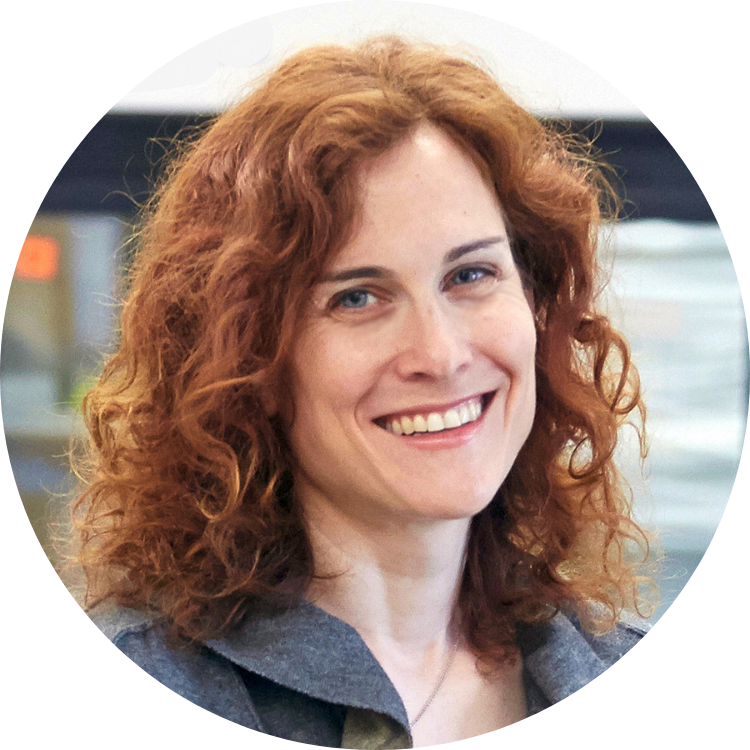
Wendy Garrett (United States)
Dr. Wendy Garrett is a physician-scientist and the Irene Heinz Given Professor of Immunology and Infectious Diseases at Harvard, and a Professor of Medicine at Dana-Farber Cancer Institute and Harvard Medical School. Dr. Garrett investigates host-microbiota interactions in health and disease. Her research team studies the interplay between the gastrointestinal immune system and the gut microbiota in health, inflammatory bowel diseases, colorectal cancer, and chronic kidney disease.
Dr. Garrett is the co-founder and co-director of the Harvard Chan Microbiome in Public Health Center. In recognition of her scientific contributions, she has been elected to the National Academy of Medicine, American Academy of Arts and Sciences, American Academy of Microbiology, American Society for Clinical Investigation, and the Association of American Physicians.

Richard Hansen (United Kingdom)
Dr. Hansen is a Clinical Reader in Child Health at University of Dundee and Honorary Consultant Paediatric Gastroenterologist at both Ninewells Hospital and Medical School, Dundee, and Royal Aberdeen Children’s Hospital. He graduated in medicine from University of Dundee (2001) and completed basic paediatric training in Edinburgh and Glasgow and subspecialty training in paediatric gastroenterology in Aberdeen, Glasgow, and Birmingham (2014). He is a fellow of Royal College of Paediatrics and Child Health (2014), Royal College of Physicians of Edinburgh (2023), and American Gastroenterological Association (2025).
During higher specialist training in paediatric gastroenterology, Dr. Hansen was awarded a Chief Scientist Office PhD fellowship in gut microbiology based at University of Aberdeen (2009-2012). He subsequently completed a competitively awarded NHS Research Scotland career researcher fellowship (2015-2018), which allowed him to develop research in microbial therapeutics. Dr. Hansen’s main research interest is the gastrointestinal mucosal microbiota and its importance in paediatric health and disease, particularly inflammatory bowel disease (IBD). He is especially interested in the molecular characterisation of the microbiota and its subsequent modification for the purposes of therapeutic effect via microbial therapeutics. He has helped develop clinical translational studies in this area including novel dietary therapies for Crohn’s disease, faecal transplant for ulcerative colitis, and the first-in-humans Phase I study of a novel biotherapeutic for Crohn’s disease. He has experience as both a coordinating chief investigator and local principal investigator for multi-centre commercial research.
Dr. Hansen was recently Chair of the British Society of Gastroenterology Gut Microbiota for Health expert panel (2023-2025) and was one of the co-leads on the first European Crohn’s and Colitis Organisation consensus on diet and nutrition in IBD. He is the president of the Scottish Society of Paediatric Gastroenterology, Hepatology, and Nutrition. He has been an active member of the British Society of Gastroenterology IBD guidelines committee since 2017, leading to published guidelines in 2019 and 2025.
As of September 2025, Dr. Hansen has published over 100 individual manuscripts, attracting >6,000 citations and an h-index of 33. Since moving to University of Dundee in March 2023, Dr. Hansen has initiated a partnership with the local North of Scotland charity The Archie Foundation. He has set up a dedicated laboratory to support paediatric research in the North of Scotland, named “The Archie Foundation Child Health Research Laboratory”.

Gail Hecht (United States)
Gail Hecht is Professor of Medicine and Microbiology/Immunology and served as Chief, Gastroenterology and Nutrition at Loyola University Medical Center until July 2019. She earned her MD from Loyola University Stritch School of Medicine, completed Internal Medicine Residency at the University of Minnesota, Minneapolis, and her Fellowship in Gastroenterology at Brigham and Women’s Hospital, Harvard Medical School. Her initial faculty appointment was at the University of Illinois Chicago where she rose through the ranks to Professor and was appointed Chief of Digestive Diseases and Nutrition. She relocated to Loyola in January 2013. She was Founding Editor of the journal Gut Microbes published by Taylor & Francis Group and served as Editor-in-Chief until 2020.
Dr. Hecht has been very active in the American Gastroenterological Association functioning as Chair of the Intestinal Disorders Section of the AGA Council, as Basic Research Councilor to the Governing Board, Chair of the Microbiome Center for Research and Education and ultimately serving as President from 2009-2010.

Mathias Heikenwälder (Switzerland)
Prof. Dr. Mathias Heikenwälder is a trained molecular biologist, with expertise in immunology and a strong link to translational research evoked by 10 years of work and expertise in a Pathology Institution (Clinical Pathology, University Hospital Zurich). Since October 2015, he is Department head at the German Cancer Research Center (DKFZ) in Heidelberg focusing on the link between chronic inflammation and cancer. Since October 2022, he is director of the M3 Research Center, University Tübingen. Prof. Heikenwälder has established himself as an international leader in the field of liver cancer and MASH and he is the second most frequently cited researcher in German speaking countries in the field of cell biology in the last years. He was one of the Highly Cited Researchers (Cross Fields; (Web of Science Group) in 2019-2025, has received an ERC STG, ERC COG, ERC POC and ERC SYG. Not only have his publications been widely cited by the research community, but they have also shifted fatty liver and liver cancer research in new directions – relevant to the day-to-day management of patients with fatty liver or liver cancer.

Gianluca Ianiro (Italy)
Gianluca Ianiro is a gastroenterologist at the Digestive Disease Center of the Fondazione A. Gemelli IRCCS and adjunt Professor in gastroenterology at the Università Cattolica del Sacro Cuore in Rome, Italy. He has since gone on to establish himself as a key clinical and translational investigator focusing mainly in the field of intestinal microbiota, and has received several research grants in support of his innovative research. His current research is focused mainly on disentangling the rules of donor microbiome engraftment, on investigating microbiome diagnostics and therapeutics in noncommunicable disorders (including cancer), and on bringing microbiome into clinical practice.

Robert R. Jenq (United States)
Robert R. Jenq, M.D., is director of the City of Hope Microbiome Program and a Professor in the Department of Hematology and Hematopoietic Cell Transplantation. He is a physician-scientist who manages the care of adults undergoing hematopoietic cell transplantation and directs a research laboratory. His research efforts have focused on effects of the bacterial microbiome on outcomes in cancer patients, including hematopoietic cell transplantation, checkpoint blockade immunotherapy, and CAR-T cell therapy.

Purna Kashyap (United States)
Dr. Purna Kashyap is Professor of Medicine and Physiology, Bernard and Edith Waterman Director of the Microbiome in the Center for Individualized Medicine and Director of the germ-free mouse facility at Mayo Clinic, Rochester, MN.
The Gut Microbiome laboratory led by Dr. Kashyap is interested in understanding the complex interactions between diet, gut microbiome and host physiology and strives to move the field beyond associations of microbiome with different diseases to defining the functional role of gut microbes in regulating host physiology. The laboratory uses germ-free mouse models in conjunction with measures of gastrointestinal physiology in vitro and in vivo to investigate effects of gut microbial products on host gastrointestinal function. In parallel, they use a systems approach incorporating multi-omics, patient metadata, and physiologic tissue responses in human studies, to aid in discovery of novel microbial drivers of disease. The overall goal of his program is to develop novel microbiota-targeted therapies.
Dr. Kashyap has published over 100 peer reviewed articles including journals like Cell, Cell Host Microbe, Science Translational Medicine, Nature Communications, and Gastroenterology. He currently serves as chair of the American Gastroenterology Association (AGA) Gut Microbiome Center for Education and as an ad hoc member on NIH study sections.
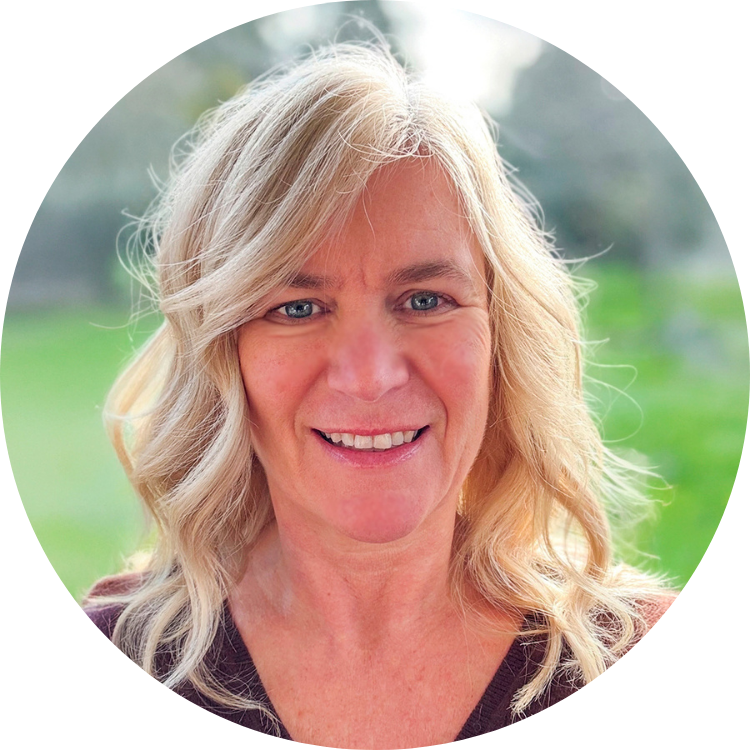
Miranda Lomer (United Kingdom)
Miranda Lomer is a Senior Consultant Dietitian in Gastroenterology at Guy’s and St Thomas’ Hospitals, London, and has an adjunct appointment as Prof. of Dietetics in Gastroenterology at King’s College London. Prof. Lomer qualified as a dietitian in 1990 and in 2002 she completed a PhD on diet and Crohn’s disease.
Her research interests are dietary assessment and nutritional management of gastrointestinal disorders including inflammatory bowel disease and disorders of gut-brain interaction. She has expertise in writing guidelines, conducting multi-centre clinical trials, and service delivery. She represented the BDA on the National IBD Standards Group Steering Committee from 2007-2012 and was a committee member of the Dietitians of European Crohn’s and Colitis Organisation (ECCO) from 2015-2018. She was on the Medical Research Awards Panel for Crohn’s and Colitis UK between 2017-2023 and has been a Guts UK Trustee since 2019.
Prof. Lomer is Editor of a book entitled Advanced Nutrition and Dietetics in Gastroenterology. She gave the BDA Elsie Widdowson Lecture in 2014 as recognition of her international impact in dietetics. In 2016, she was awarded an MBE for services to dietetics and gastroenterology.

Max Nieuwdorp (The Netherlands)
Prof. Max Nieuwdorp studied Medicine at Utrecht University and received his Ph.D. in diabetes at the Academic Medical Center of the University of Amsterdam (AMC-UvA; under supervision of Prof. John Kastelein). After a residency in Internal Medicine and a fellowship in Endocrinology at the AMC-UvA, he performed a postdoctoral fellowship on glycobiology at the University of California, San Diego, in the Department of Cellular and Molecular Medicine under Prof. Jeff Esko. Prof. Nieuwdorp is currently chair of the Amsterdam UMC Diabetes Center. 46 Ph.D. students have already defended their thesis under his stewardship; currently, he is supervising 45 Ph.D. students, 6 postdoctoral fellows, as well as 5 bioinformaticians in his group.
Prof. Nieuwdorp’s research, supported by several prestigious personal grants (NWO Veni/Vidi/Vici as well as ERC Advanced Grant 2024) as well as several EU and Novo Nordisk Foundation consortium grants, focuses on translational research aimed at dissecting by machine learning/LLMs the causal role of (small) intestinal bacterial strains in development of autoimmune diseases like type 1 diabetes mellitus, MASLD-MASH, and cardiometabolic disease, with a special interest in the gut–brain axis.
Prof. Nieuwdorp was chair of the Department of (Experimental and Clinical) AUMC Vascular Medicine (2014–2025), and since 2025 he is a member of the Board of Directors of Diabeter (a chain of several clinics across Europe and the Middle East that serves >7,000 type 1 diabetes patients by Cloudcare). He has published >450 peer-reviewed articles, including papers in Nature Medicine, Science, Cell Host & Microbes, NEJM, Cell Metabolism, Gut, and Gastroenterology. He also recently published his bestselling book for the lay public entitled “We Are Our Hormones”, which is currently translated into 15 languages, including an English version at Simon & Schuster publishers in May 2024.

Gabriel Perlemuter (France)
Gabriel Perlemuter is Professor of Hepatology, Gastroenterology, and Nutrition at Antoine-Béclère Hospital (Assistance Publique–Hôpitaux de Paris, Clamart; Université Paris-Saclay) and a member of the French National Academy of Medicine. He is recognized for his expertise in nutritional liver diseases (including alcohol- and obesity-related liver disorders) and in the interactions between the microbiome and the liver.
He heads the Department of Hepatology, Gastroenterology, and Nutrition at Antoine-Béclère Hospital as well as at the new Paris-Saclay Hospital. He also co-directs an INSERM research team focused on the microbiota–liver axis, where he demonstrated that individual susceptibility to alcohol-induced liver injury depends on the gut microbiota.
Gabriel Perlemuter has received the French National Academy of Medicine Award for Alcoholism Research and the La Science se Livre Prize for Best Educational Publication for his book Les bactéries, des amies qui vous veulent du bien (Solar Editions). He is the author of numerous other medical, scientific, and educational works addressed to physicians, researchers, and the general public.

Chen Sarbagilli-Shabat (Israel)
Chen Sarbagili-Shabat is a registered dietitian and researcher. She is currently a postdoctoral fellow at the Amsterdam UMC Research Institute, leading a study evaluating the nutritional status of patients with inflammatory bowel disease (IBD). Alongside her research, Chen works clinically as a dietitian in the Pediatric Gastroenterology and PIBD Unit at Wolfson Medical Center. Chen completed her Ph.D. at Tel Aviv University, where she conducted her research at the Sourasky Medical Center – one of the largest IBD units in Israel. Her doctoral work focused on the impact of dietary factors on IBD, particularly the effects of ultra-processed foods.
Chen has extensive research experience and has managed several interventional multicenter trials in both adults and children with IBD. Her research covers diverse topics, including fecal microbiota transplantation, microbiome analysis, randomized controlled dietary interventions, ultra-processed food consumption, questionnaire development and validation, and the assessment of nutritional status and growth. She co-developed a novel dietary therapy for ulcerative colitis – the Ulcerative Colitis Exclusion Diet (UCED) – and evaluated its efficacy in children and adults. She is currently leading an international multicenter randomized controlled trial assessing the effect of UCED combined with partial enteral nutrition (PEN). These studies have demonstrated promising outcomes for patients with mild-to-moderate active UC.
Chen actively participates in and lectures at both national and international IBD conferences and contributes to scientific publications. She is the D-ECCO Chair-Elect and contributed to the ECCO Consensus on Diet in IBD. In addition, she is an active member of the Israeli Gastroenterology Forum, which promotes nutritional therapy within the field of gastroenterology.

Eran Segal (Israel)
Eran Segal is a Professor at the Department of Computer Science and Applied Mathematics at the Weizmann Institute of Science, heading a lab with a multi-disciplinary team of computational biologists and experimental scientists in the area of Computational and Systems biology. His group has extensive experience in AI, machine learning, computational biology, and analysis of heterogeneous high-throughput genomic data. His research focuses on Microbiome, Nutrition, Genetics, and their effect on health and disease. His aim is to develop personalized medicine based on data from large-scale and deeply phenotyped human cohorts.
Prof. Segal published over 240 publications that were cited over 83,000 times (H-index: 115), and received several awards and honors for his work, including the Overton prize, awarded annually by the International Society for Bioinformatics (ICSB) to one scientist for outstanding accomplishments in computational biology, and the Michael Bruno award. He was also elected as an EMBO member and as a member of the young Israeli academy of science. During the COVID-19 pandemic, Prof. Segal developed models for analyzing the dynamics of the pandemic and served as a senior advisor to the government of Israel. Before joining the Weizmann Institute, Prof. Segal held an independent research position at Rockefeller University, New York.
Education: Prof. Segal was awarded a B.Sc. in Computer Science summa cum laude in 1998, from Tel-Aviv University, and a Ph.D. in Computer Science and Genetics in 2004, from Stanford University.

Nicola Segata (Italy)
Nicola Segata, Ph.D., is Professor and Principal Investigator in the CIBIO Department at the University of Trento (Italy). His lab comprises more than 30 researchers and employs experimental metagenomic tools and novel computational approaches to study the diversity of the microbiome across conditions and populations and its role in human diseases. The projects in the lab bring together computer scientists, microbiologists, statisticians, and clinicians and are focused on profiling microbiomes with strain-level resolution and on the meta-analysis of very large sets of metagenomes with novel computational tools. The lab of Professor Segata is supported by the European Research Council and by several other European agencies and is active in large-scale investigations reaching hundreds of thousands of individuals with metagenomic and phenotypic profiles.

Magnus Simrén (Sweden)
Prof. Magnus Simrén is Professor of Gastroenterology at the University of Gothenburg and Senior Consultant in the Department of Internal Medicine at Sahlgrenska University Hospital, Gothenburg, Sweden. He also serves as Pro-Dean of the Medical Faculty at the Sahlgrenska Academy, University of Gothenburg, and is Adjunct Prof. of Medicine at the University of North Carolina (UNC) School of Medicine, Chapel Hill, NC, USA.
Dr. Simrén’s main research areas are the pathogenesis and pathophysiology of disorders of gut–brain interaction (DGBI), as well as their treatment. He has published more than 400 original articles and written several book chapters on GI motility diseases and DGBI, and he is currently supervising seven PhD students and five post-docs.
Dr. Simrén has served or is serving as council member for several international organizations, including UEG and the Rome Foundation. Prof. Simrén has also been Deputy Editor and Associate Editor of Gut, and Clinical Editor of Neurogastroenterology and Motility. He is currently Associate Editor of Gastroenterology.

Harry Sokol (France)
Harry Sokol is a Professor in the Department of Gastroenterology at Saint-Antoine Hospital (AP-HP, Paris, France), co-director of the Microbiota, Gut & Inflammation team (INSERM CRSA UMRS 938, Sorbonne Université, Paris), group leader at the Micalis Institute (INRAE), and coordinator of the Paris Center for Microbiome Medicine.
He is an internationally recognized expert in inflammatory bowel disease (IBD) and gut microbiota. He has published over 380 papers on these topics in major journals, including Gut, Gastroenterology, Cell Metabolism, Cell Host & Microbe, Nature Communications, and Nature Medicine. His work on the role of the gut microbiota in IBD pathogenesis led to landmark studies describing IBD-associated dysbiosis (an imbalance in gut microbiota composition) and identifying the pivotal role of the commensal bacterium Faecalibacterium prausnitzii in gut homeostasis and IBD.
His current research focuses on deciphering gut microbiota–host interactions in health and disease, particularly IBD, with the aim of improving understanding of disease mechanisms and developing innovative treatments. He is especially exploring the role of the microbiota in tryptophan and energy metabolism, work for which he has received two ERC grants.
In addition to basic science, Professor Sokol is deeply involved in translational research. He is the current president of the French Group of Fecal Microbiota Transplantation and head of the AP-HP Fecal Microbiota Transplantation Center. He coordinated a pilot randomized controlled trial evaluating fecal microbiota transplantation in Crohn’s disease and is currently coordinating two nationwide phase III randomized controlled trials assessing this approach in ulcerative colitis and Crohn’s disease. He also co-founded Exeliom Biosciences.

Jens Walter (Ireland)
Jens Walter serves as the Professor of Ecology, Food, and the Microbiome at University College Cork, jointly appointed in the School of Microbiology and the Department of Medicine, and a Principal Investigator at APC Microbiome Ireland. His research focuses on the ecology and evolution of the human gut microbiome, integrating microbial ecology, evolutionary biology, and nutrition science to develop strategies for improving health.
Dr. Walter pioneered the application of ecological theory to understand how host genetics, colonization history, dispersal, and diet shape gut microbiomes, and to guide their systematic modulation through dietary and microbial interventions. A Clarivate Highly Cited Researcher, he has led more than a dozen human intervention trials and authored over 200 peer-reviewed publications in journals such as Nature, Cell, Nature Medicine, Nature Microbiology, Microbiome, and Cell Host & Microbe.

Miguel Zugman (USA)
Dr. Miguel Zugman is a Brazilian medical oncologist and postdoctoral research fellow at City of Hope Comprehensive Cancer Center in California. His work focuses on kidney cancer, with research spanning immunotherapy, microbiome modulation, and precision oncology. He leads and contributes to multiple translational and investigator-initiated trials in genitourinary malignancies.