
 A range of studies have shown that the microbiota of obese individuals is quite different to that of people with no weight problems. Now, a study led by researchers from the Université Laval in Canada and Nestlé, has taken things further by showing that, with the help of probiotics, the balance of the gut microbiota may be changed in order to increase the number of digestive bacteria that encourage healthy weight.
Professor Angelo Tremblay and his colleagues worked with 125 overweight men and women on a weight-loss diet. In addition to this diet, half the sample was given two daily pills containing probiotics from the Lactobacillus rhamnosus family, while the others consumed a placebo. The results showed that over 12 weeks, the women in the group that had taken the probiotics had lost 4.4kg with the diet, while the group that only followed the weight-loss plan lost 2.6kg. Furthermore, in the following months, the women who had consumed the probiotics continued to lose some weight while those who had taken the placebo either stabilised or gained weight. In short, women consuming probiotics lost twice as much weight over the 24-week period of the study. Researchers also noted a drop in the appetite-regulating hormone leptin in this group, as well as a lower overall concentration of the intestinal bacteria related to obesity.
And what about the male participants? “We don’t know why the probiotics didn’t have any effect on men. It may be a question of dosage, or the study period may have been too short,” says Professor Tremblay. The results of this study were published in the British Journal of Nutrition.

 Mónica Quinzo is a biomedical researcher working on her PhD about gut parasitic nematodes and vaccine research at the National Center of Microbiology in Madrid. She holds a bachelor’s in Biochemistry and a master’s in Immunology. She is passionate about the role of the gut microbiome in the modulation of host immunity in health and disease. She is really concerned about the importance of empowering people through scientific communication to enable conscious and healthier decisions. Follow Mónica on twitter:
 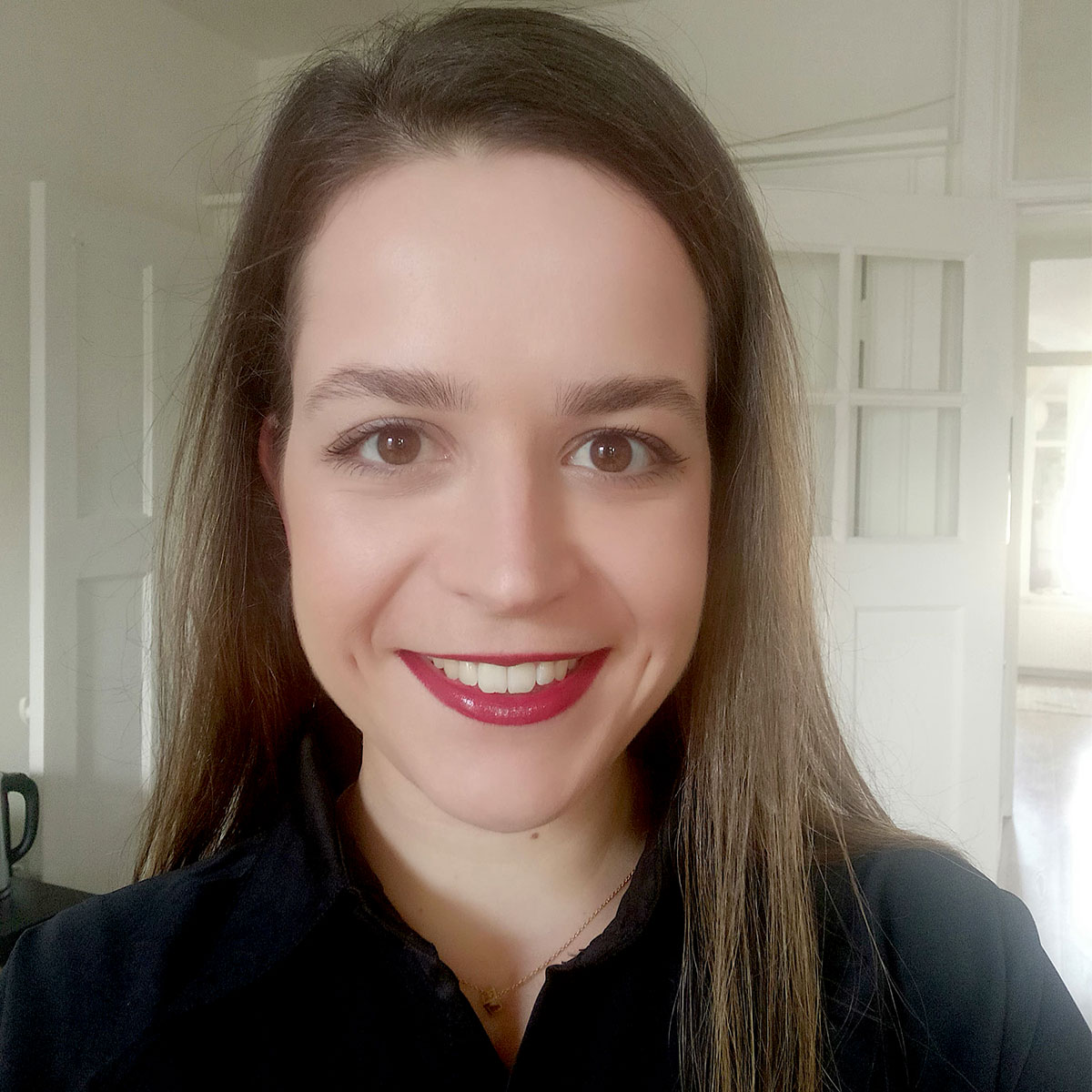 Konstantina Zafeiropoulou is a dietitian with strong scientific interest in the diet-microbiota interactions and their role in human health and disease. She holds a Master of Science in Human Nutrition from the University of Glasgow, during which she explored the involvement of gut microbiota in the etiopathogenesis of Celiac Disease and evaluated the gluten free diet-microbiota interactions. She is currently a PhD candidate at Amsterdam UMC unraveling the role of gut microbiota and long-term dietary patterns in the development of postoperative colorectal anastomotic leakage. Follow Konstantina on Twitter